Historical Timeline
(1986–2026)
Guided by influential secretaries-general, EU affairs experts and a succession of engaged Presidents and Working Group members, the association has actively shaped EU recycling and packaging laws, promoted its “Zero to landfill” vision, ensured regulatory compliance, and reinforced the sustainability credentials of steel packaging across Europe.
1980’s
The 1980s celebrated confidence, consumption and colour. Economic realignment and technological curiosity shaped a decade defined by big ideas, bold style and the pulse of synth-driven pop.
APEAL is established to represent the interests of European producers of steel for packaging and advocate for the inclusion of steel in European packaging and recycling laws.

Apple launches the Macintosh computer

APEAL is founded by seven steel producers representing 90% of the European steel market.
Original founding members were Aceralia Corporaçion Siderrgica, British Steel Tinplate, Cockerill Sambre, Hoogovens Packaging Steel, Norsk Blikkvalseverk, Rasselstein and Sollac (Groupe Usinor).

18% of steel packaging is recycled in the EU

The Berlin Wall falls
1990’s
The 1990s were a decade of remarkable optimism and transformation. The decade saw increased connectivity and globalisation and was marked by the sounds of dial-up connections, grunge and hip-hop.
APEAL grows in influence and begins to heavily promote the recycling capabilities of steel, aligning itself with European policies on packaging and waste management.

The World Wide Web becomes publicly accessible
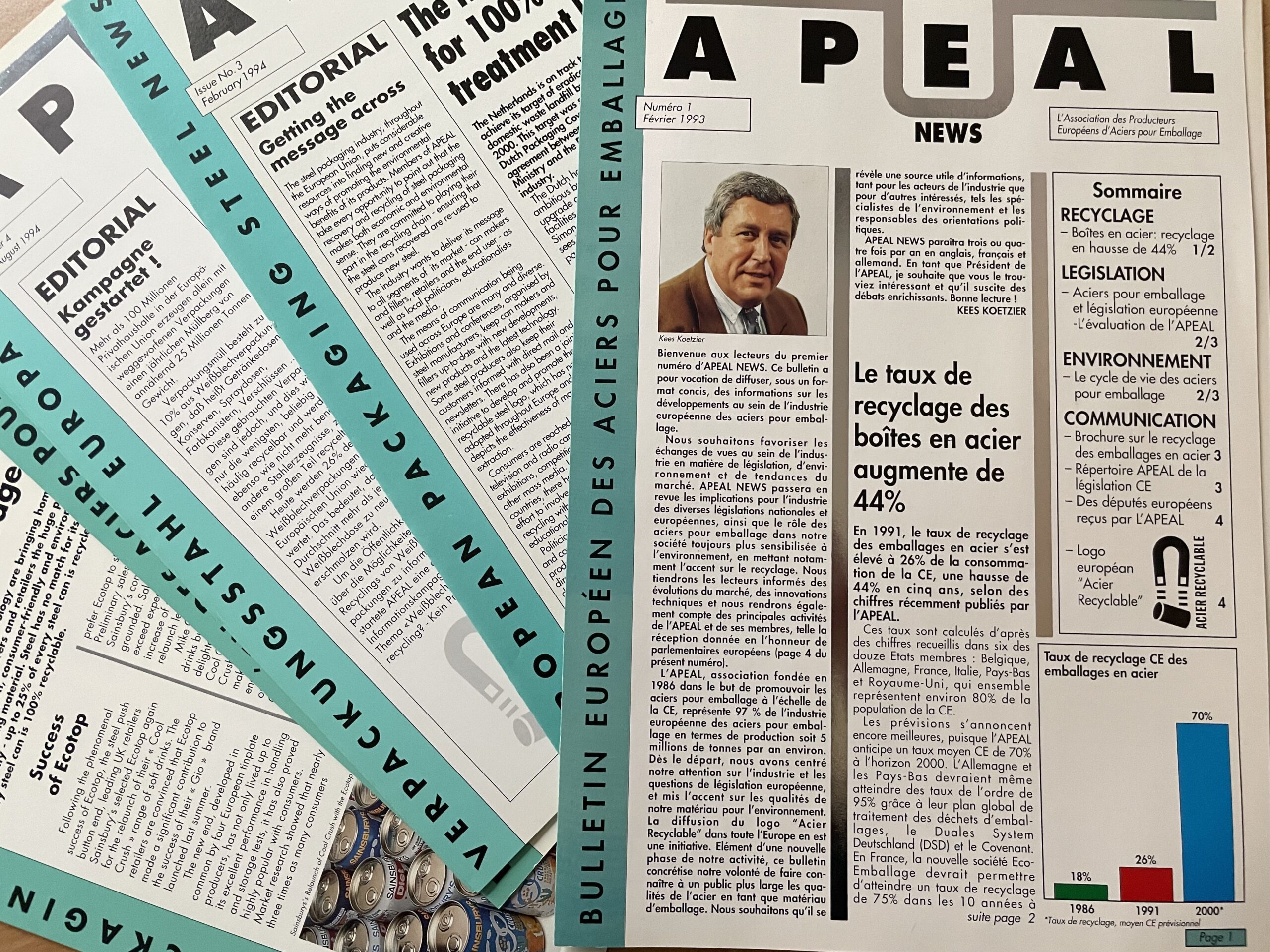
“APEAL News” magazine launches in French, English, German & Spanish.
The first issue highlights a new on-pack logo focusing on steel recyclability

The landmark EU Packaging and Packaging Waste Directive 94/62/EC introduces packaging waste targets for recovery and recycling, applicable in 1996, aimed at reducing packaging waste and promoting recycling across member states.

First Steel Packaging Congress takes place for fillers, retailers, canmakers and policymakers along with a “Steel Fashion Show”.
The Congress becomes a key event in the packaging industry calendar.

Harry Potter is published for the first time

APEAL rebrands with a new logo
2000’s
The 2000s were a decade of acceleration and disruption. Shaped by the spread of the internet and mobile phones, they unfolded to the sounds of MP3s, reality TV and the early rhythms of digital life.
APEAL pushes for higher steel recycling rates and continues to advocate for steel packaging’s role in the EU’s recycling policies. This period sees the association playing a pivotal role in the development of EU recycling standards.

The euro enters circulation as physical currency
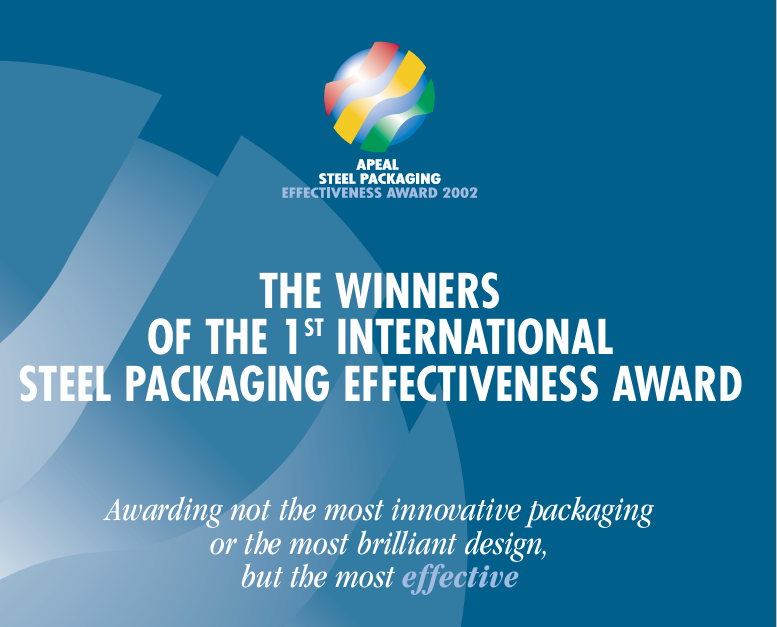
Launch of the 1st Steel Packaging Effectiveness Award at Interpack in Dusseldorf.
APEAL voluntarily chose not to award latest innovations, but to choose packaging solutions which have been proven effective in the market once launched. The APEAL Effectiveness Awards becomes a staple of the Interpack scene until 2008.
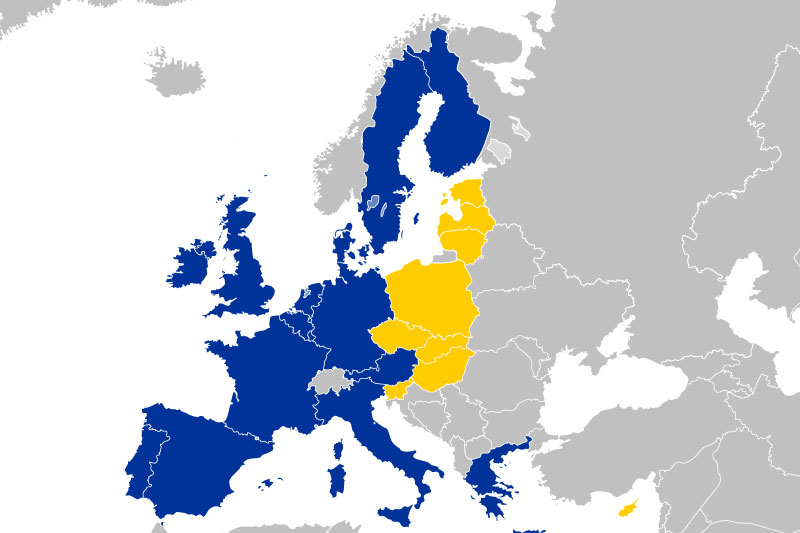
The European Union expands to 25 Member States
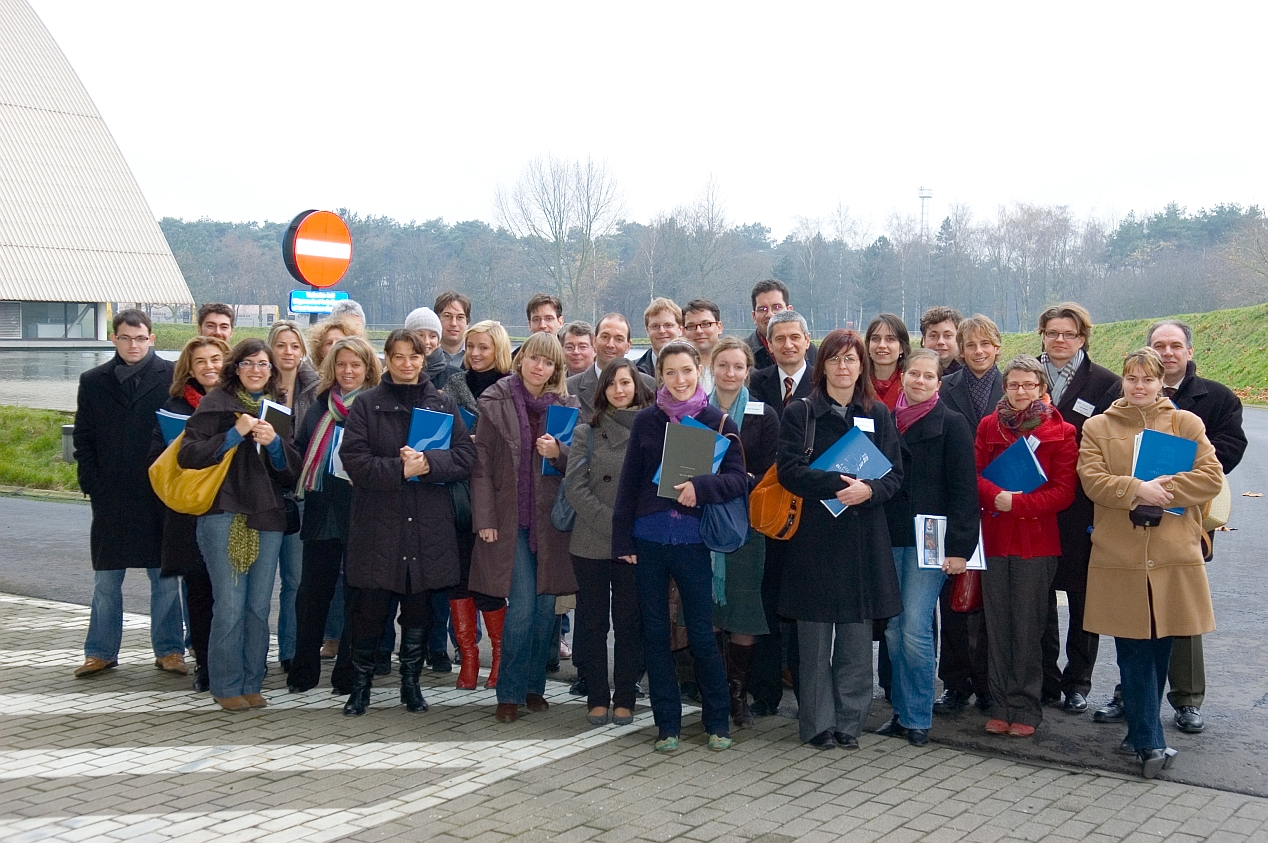
First of a series of eco-trips bringing MEP assistants and advisors to visit factories for a dialogue between the political world and industry representatives.

Apple releases the first iPhone

APEAL develops a new visual identity more focused towards retailers and EU policy decision makers.
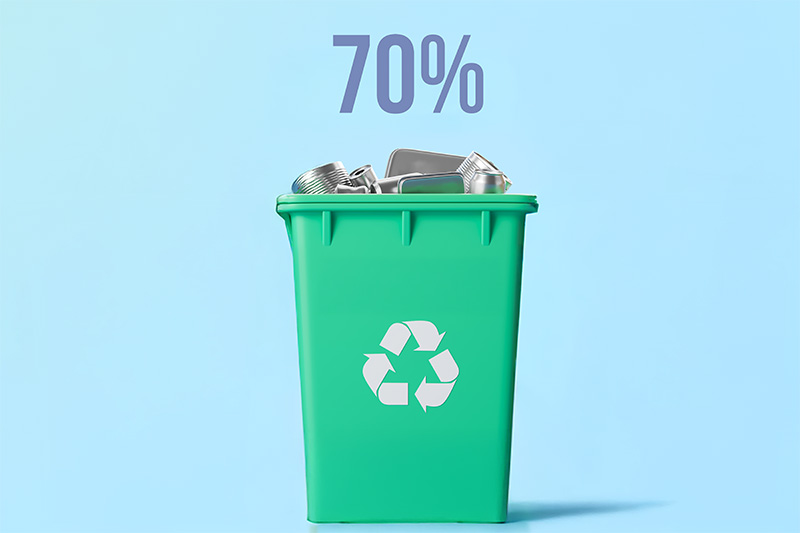
Steel Packaging Recycling Rate hits 70%

Climate change becomes a central policy issue
2010’s
The 2010s were a decade of constant connection and growing tension. Social media reshaped communication and politics, accompanied by streaming culture, smartphones and a heightened awareness of global challenges.
This period sees APEAL join Empac Metal Packaging and European Aluminium in forming Metal Packaging Europe as the umbrella organisation of metal packaging advocacy in Europe, campaigning for the recognition of permanent materials such as steel.

Smartphones become the dominant digital device

Steel Packaging Recycling Rate hits 74%

The European Parliament endorses the European Commission’s Resource Efficiency Roadmap, specifically calling for ‘permanent materials’ to be made a new resource category, alongside the existing categories of ‘renewable’ and ‘non-renewable’ resources.

Steel Packaging Recycling Rate hits 76%

Steel for Packaging Europe celebrates a recycling rate of over 80%, a major milestone for the industry.
This success is celebrated as one of the highest recycling rates for any packaging material in Europe.
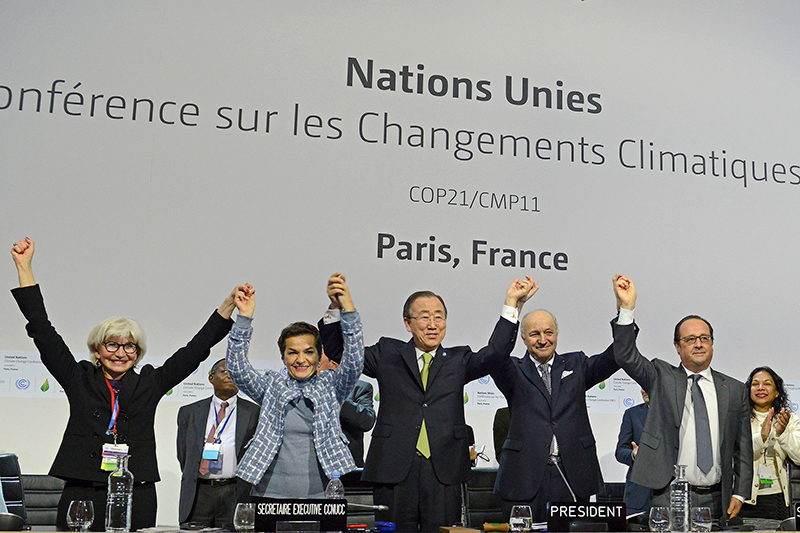
The Paris Climate Agreement is adopted

Steel recycling targets are increased to 75% by 2025 and 85% by 2030
A new Circular Economy Action Plan for the circular economy, as well as legislative proposals to amend the Waste Framework Directive, landfilling Directive and Packaging and Packaging Waste Directive (PPWD);

Development of a Chromium-Free Passivation Alternative (CFPA), a REACH-compliant solution for the passivation process in tinplated steel initially managed by the International Tin Association, comes under the umbrella of APEAL.
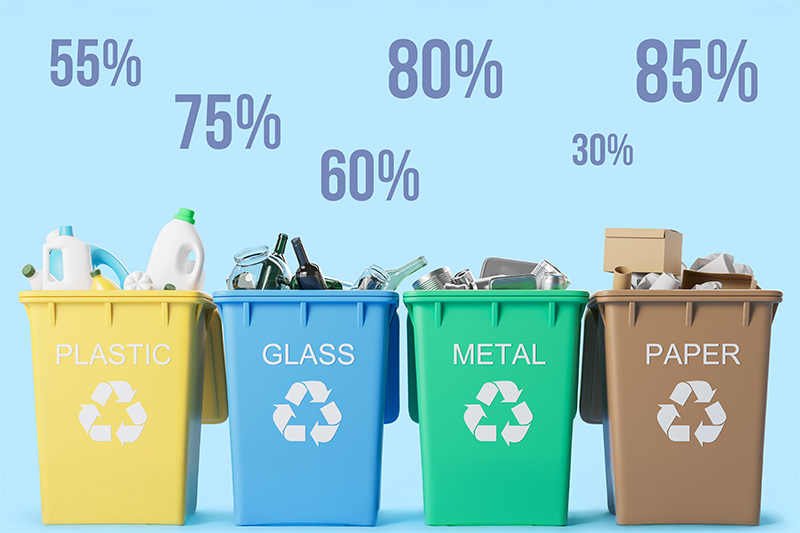
Directive 2018/852 revised the 1994 directive raising recycling targets and improve reporting transparency.

Streaming overtakes broadcast television
2020’s
The 2020s opened with disruption and continued in flux. A pandemic, climate pressure and rapid advances in AI were all discussed on video calls.
APEAL positions itself as a key stakeholder in Europe’s Green Deal, highlighting steel’s central role in the circular economy, decarbonisation, and reducing food waste.

The COVID-19 pandemic spreads globally

EU adopts the first CEAP with specific measures to improve products design, promote sustainable consumption, minimise waste and keep resources in the loop for as long as possible.
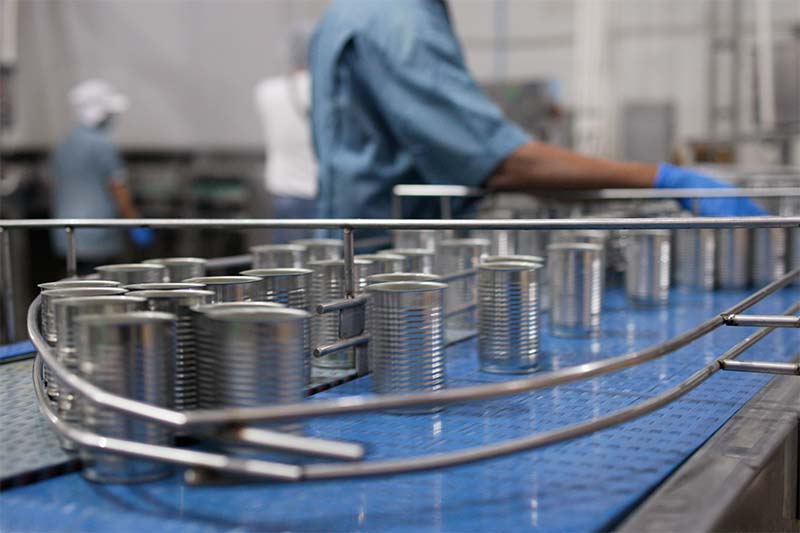
CFPA receives compliance with food contact regulations for human food in Europe

APEAL launches a first recycling report and announces its 2025 vision "Zero steel packaging to landfill", in the context of the EU Circular Economy Action Plan 2.0.

COP26 reinforces global net-zero commitments

The European Commission proposed replacing the PPWD directive with a Packaging and Packaging Waste Regulation (PPWR).
APEAL welcomed the regulation’s emphasis on real recycling and closed-loop systems.
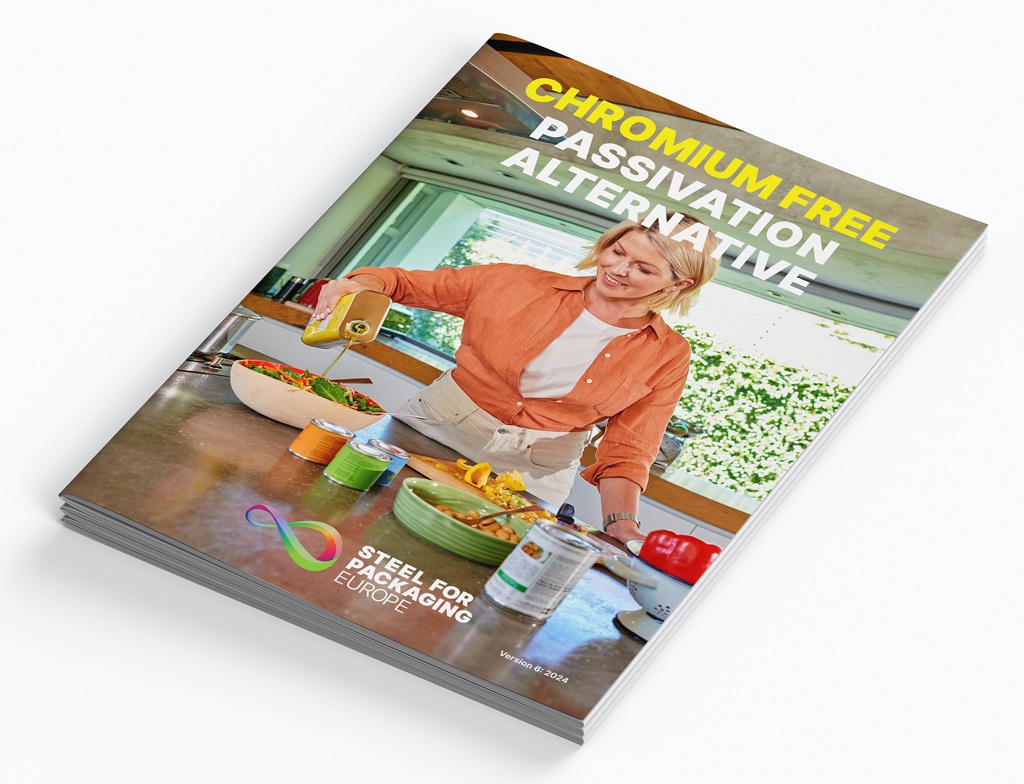
CFPA is included in the Euronorm (EN 10202) European standard, which specifies the manufacturing standards to which steel producers must adhere when producing CFPA.
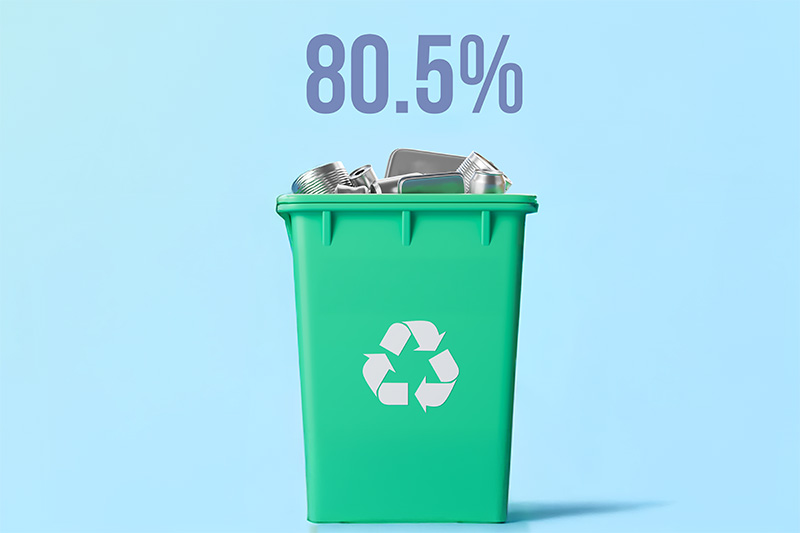
Steel Packaging Recycling Rate hits 80.5% meeting the EU’s 2025 target three years early.

Electric vehicles reach mass-market adoption

APEAL welcomed stricter recyclability rules within the formal adoption of the Packaging & Packaging Waste Regulation (PPWR), including the introduction of design-for-recycling rules, performance grading for packaging (A/B/C grades by 2030; A/B by 2038), and eco-modulated fees.

APEAL rebrands to Steel for Packaging Europe, more accurately representing its mission, a significant shift, both strategically and in terms of branding, marking a new focus on promoting steel as the sustainable, recyclable packaging solution.

Steel packaging reaches highest ever recycling rate of 82%, aligning with the new PPWR recyclability goals and reinforcing steel’s role in the circular economy.
Steel for Packaging Europe celebrates 40 years of representing steel as a circular packaging solution
and we remain committed to protecting products and preserving resources with steel packaging for generations to come.